

See How Cost Segregation Could Accelerate Your Real Estate Tax Deductions
Answer a few questions about your investment property. We will help identify whether cost segregation and accelerated depreciation may be worth investigating, and you will see a preliminary estimate before anyone calls you.
Takes about 90 seconds. Educational only, and not tax advice.
Three Different Jobs, and I Only Do One of Them
What Joseph Moore does
Explains how the strategy works, helps identify and acquire investment properties where it may apply, and introduces you to cost-segregation providers and tax professionals.
What the cost-segregation provider does
Performs the engineering-based study and issues the report that supports reclassifying components into shorter depreciation lives.
What your CPA or tax advisor does
Determines whether and how the results apply to your return, decides what is usable in which year, and files it.

Joseph Moore is a licensed Florida real estate advisor (SL3296557). He is not a CPA, tax attorney, enrolled agent or cost-segregation engineer. Nothing on this page is tax, legal or accounting advice, and no client relationship of any kind is created by using this tool.
One Building, Several Depreciation Lives
Separate land from improvements
Land is never depreciable, so it comes out first. The remaining amount is the depreciable basis, and how it is split materially changes everything downstream.
Reclassify the components
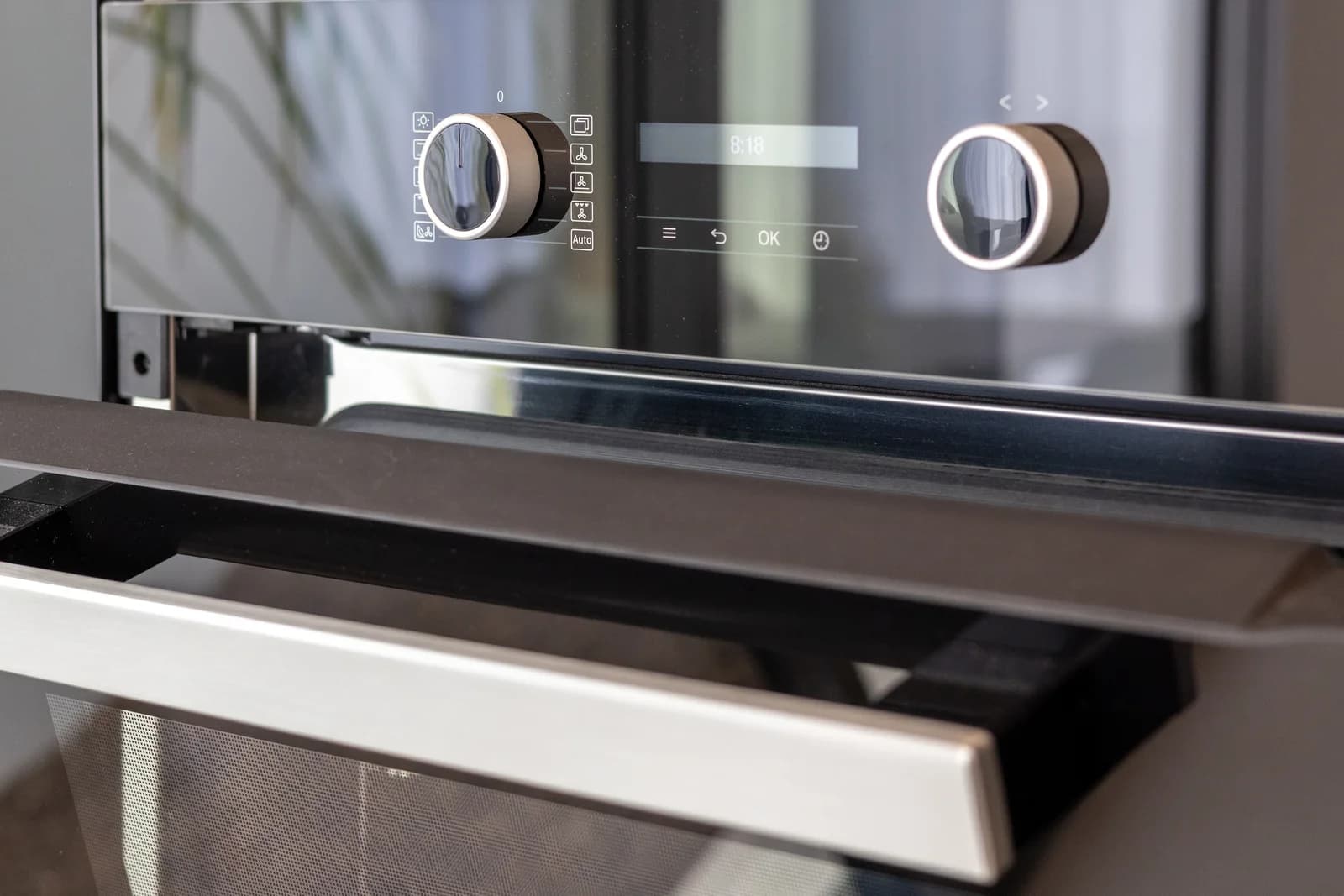
An engineering-based study reviews the building, closing documents, construction records and photographs, then identifies components that may qualify for 5-, 7- and 15-year lives: appliances, floor coverings, certain electrical and cabinetry, landscaping, fencing, driveways and other site improvements.
Apply bonus depreciation where it is permitted
Bonus depreciation generally applies to cost-segregated assets with a recovery period of twenty years or less. It does not apply to land, nor to the 27.5-year residential or 39-year commercial structure itself.
The Parts That Come Off the Long Depreciation Life
A study is not looking at the building as one thing. It is looking for the components inside and around it that have a shorter useful life than the structure, and documenting why each one belongs where it is put.
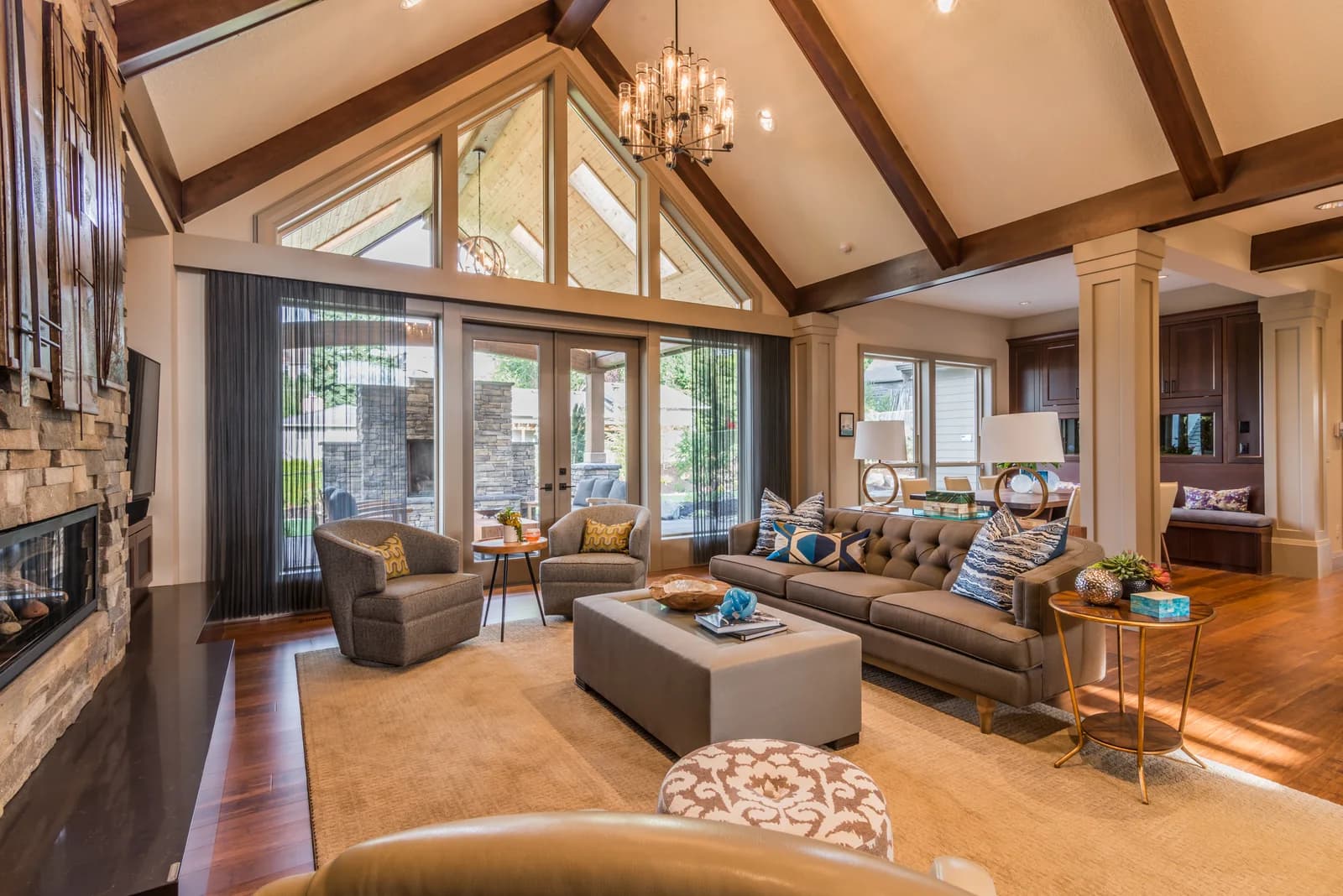

Whatever is left stays on the 27.5-year residential or 39-year commercial life, and land is never depreciable at all.
What changed after January 19, 2025
Current federal law permanently restored 100% bonus depreciation for qualifying property acquired and placed in service after January 19, 2025. Property acquired before January 20, 2025 may remain under the former phase-down rules even if it was placed in service later, and qualifying property placed in service between January 1 and 19, 2025 generally remained at 40%.
The law was enacted later in 2025 but was written to take effect from the January 19 acquisition cutoff, so acquisition dates can become technical where a binding purchase contract straddles it. That is a question for your CPA, not for a web form.
Answer a Few Questions About Your Property
About 90 seconds. You will see a preliminary estimate of the depreciable basis and the portion a study may reclassify, along with anything in your answers worth raising with your CPA.
Cost Segregation, in Plain English
Federal rules, stated as current as of 2026-08-01. Every taxpayer should have a CPA or tax attorney confirm eligibility before claiming a large loss.
The basics
What is cost segregation?
Cost segregation is an engineering-based tax analysis that divides a building into components with different depreciation lives. Instead of depreciating the whole residential building over 27.5 years, a study may identify 5-year property such as appliances, carpeting and certain electrical items; 7-year property such as certain furnishings and equipment; and 15-year property such as landscaping, fencing, sidewalks and parking areas. Land is never depreciable. A defensible study documents its methodology, classifications, costs and legal authority rather than simply presenting attractive percentages.
How does cost segregation work?
A study separates the purchase price between land and improvements, then reclassifies qualifying components into shorter recovery periods. The provider reviews the building, closing documents, construction records, photographs and property details, reclassifies what qualifies into 5-, 7- and 15-year categories, leaves the remaining structure on its 27.5- or 39-year life, applies bonus depreciation where permitted, and the result is reported on the appropriate return.
What is bonus depreciation?
Bonus depreciation lets a taxpayer deduct a specified percentage of qualifying property in the year it is placed in service. For a rental property it generally applies to cost-segregated assets with a recovery period of twenty years or less. It does not ordinarily apply to land, to the 27.5-year residential structure, or to the 39-year commercial structure. Used property can qualify if the statutory acquisition requirements are met, and the property must be placed in service, meaning ready and available for rental use, not merely purchased.
What changed with bonus depreciation after January 19, 2025?
Current federal law permanently restored 100% bonus depreciation for qualifying property acquired and placed in service after January 19, 2025. Property acquired before January 20, 2025 may remain under the former phase-down rules even if placed in service later, and qualifying property placed in service from January 1 to 19, 2025 generally remained at 40%. Acquisition dates become technical where a binding purchase contract straddles the cutoff.
How much does a cost segregation study cost?
Cost varies with the property, its size and complexity, and the provider, so a quote should come from the provider rather than from an estimate on a website. What matters more than the fee is whether the study is engineering-based and defensible: a cheap study that cannot support its classifications is worth less than nothing if the return is examined.
When is cost segregation not worth doing?
Cost segregation is often not worth doing when the depreciable basis is small, when the owner cannot currently use the resulting deductions, or when the property is likely to be sold soon. Accelerating a deduction has the most value when you can use it now and hold the asset long enough for the timing benefit to matter. If the loss would be suspended, the study may still be worth doing eventually, but the urgency is different.
Short-term rentals
Does Airbnb qualify for cost segregation?
A property rented through Airbnb can qualify for cost segregation, because cost segregation depends on the building and its components rather than on the booking platform. Whether the resulting losses are usable against other income is a separate question that turns on average guest stay, material participation, basis, at-risk limits and personal use.
Does VRBO qualify?
Yes, on the same basis as any other short-term rental: the platform is irrelevant to the analysis. What matters is how the property is actually operated, particularly the average period of customer use and your own level of participation.
What is the short-term rental tax strategy?
The short-term rental strategy combines an accelerated depreciation deduction with an exception to the passive activity rules. Rental losses are ordinarily passive and cannot offset wages or active business income. When the average period of customer use is seven days or less, the activity is generally not treated as a rental activity for those rules, and if the owner also materially participates the loss may be treated as non-passive, subject to every other limitation.
What is the seven-day short-term rental rule?
An activity is generally not treated as a rental activity when the average period of customer use is seven days or less. Average stay is calculated for the tax year across all stays, not judged by how the property is advertised. Listing a property on Airbnb or VRBO does not by itself satisfy the rule.
What happens with rentals averaging 8 to 30 days?
An average stay between eight and thirty days falls outside the seven-day exception, but another exception may still apply where significant personal services are provided. This is a materially different analysis from the seven-day case and is worth confirming with a CPA before relying on it.
Using the losses
What is material participation?
Material participation means being involved in the operations of an activity on a regular, continuous and substantial basis. Only one of the applicable tests has to be satisfied, but it has to be satisfied with credible facts and contemporaneous records rather than a reconstructed estimate at tax time.
What are the material participation tests?
There are seven tests, and satisfying any one of them can establish material participation. The three most commonly relied on are participating more than 500 hours in the year; participating substantially all of the participation in the activity; and participating more than 100 hours where no other individual participates more than you. That last one is where a property manager or co-host can quietly disqualify an owner who is otherwise involved.
What is the difference between passive and nonpassive income?
Passive losses can generally only offset passive income, while nonpassive losses may offset wages and active business income. That distinction is what makes the short-term rental exception valuable: it can move a loss from the passive bucket to the nonpassive one, subject to basis, at-risk and other limitations.
Do I need Real Estate Professional Status?
Real Estate Professional Status is not required for the short-term rental strategy, because the seven-day exception works on a different provision. REPS generally requires more than 750 hours in qualifying real property businesses and more than half of all working time spent in those businesses. Holding a real estate license does not establish it.
Can a W-2 employee use short-term rental losses?
A W-2 employee may potentially deduct a qualifying nonpassive short-term rental loss against wages, without Real Estate Professional Status. That depends on the average stay being seven days or less or another exception applying, the employee materially participating, having sufficient basis and amount at risk, personal-use restrictions not disallowing the loss, and no other limitation preventing the deduction.
Can a 1099 earner use short-term rental losses?
A qualifying nonpassive short-term rental loss may offset taxable 1099 business or commission income, subject to the same basis, at-risk, participation, personal-use and excess-business-loss limitations. Note that reducing taxable income does not necessarily reduce self-employment tax on an unrelated 1099 business.
Can an LLC use cost segregation?
Yes, and the result depends on how the LLC is taxed rather than on the LLC itself. A single-member LLC normally reports on the owner’s return; a partnership LLC passes deductions to members on Schedule K-1; an S corporation passes them to shareholders subject to basis limits; a C corporation keeps them inside the corporation. Holding property in an LLC does not by itself make losses nonpassive or deductible against personal income.
Property types
Can a duplex qualify?
A duplex can qualify, and so can most residential rental property with a meaningful depreciable basis. The economics matter more than the label: a small basis produces a small reclassification, which may not justify the cost of a study.
Can long-term rentals qualify?
Long-term rentals can qualify for cost segregation, and the depreciation itself works the same way. The difference is that losses from a long-term rental are generally passive, so the deduction may be suspended and carried forward rather than usable immediately.
Does commercial real estate qualify?
Commercial real estate qualifies for cost segregation, with the structure depreciated over 39 years rather than 27.5. Commercial properties often carry a higher share of short-life components, which is why the reclassification range for them tends to be wider.
Can an older property qualify?
An older property can qualify, and the study can generally be performed after the property was placed in service. Where prior returns used ordinary depreciation, an accounting-method change may allow a catch-up adjustment without amending every earlier return.
Does cost segregation work on renovated property or new construction?
Both work, and new construction is often the cleanest case because actual construction costs are available rather than having to be estimated. Renovations can be studied as well, and the treatment of what was removed is part of the analysis.
Can cost segregation apply to inherited property?
Inherited property can be studied, and the starting point is the stepped-up basis rather than what the decedent paid. Because that basis is often materially different, the analysis should start from the date-of-death valuation.
Look-back studies, selling and exit
What is a look-back cost segregation study?
A look-back study applies cost segregation to a property that was placed in service in an earlier year. Rather than amending prior returns, the owner may be able to make an accounting-method change and claim the cumulative catch-up depreciation in the current year.
What is Form 3115?
Form 3115 is the application used to change a method of accounting, and it is how a look-back cost segregation adjustment is typically claimed. It allows the catch-up depreciation to be taken in the year of the change instead of amending each earlier return. Your CPA prepares and files it.
What happens when I sell?
Accelerated depreciation is a timing benefit, not a permanent exclusion, so some or all of it may come back into income on sale. Short-life assets and building depreciation can be taxed differently on disposition, and the exact result requires professional modelling rather than a rule of thumb.
What is depreciation recapture?
Depreciation recapture is the rule that brings previously claimed depreciation back into income when the property is sold. It is the reason the strategy is best evaluated across the whole holding period rather than on the first-year deduction alone.
Can I combine cost segregation with a 1031 exchange?
A properly structured like-kind exchange may defer qualifying gain and recapture into replacement real estate. The interaction between an accelerated deduction and a later exchange is one of the more technical parts of this strategy and should be planned before the sale, not after.
Can I do this across multiple properties?
Cost segregation can be applied to multiple properties, and each one is analysed on its own facts. Grouping elections and how activities are aggregated for the participation tests become important once more than one property is involved, which is a conversation for your CPA.
Official IRS Resources and References
- IRS Publication 5653 — Cost Segregation Audit Technique Guide (opens in a new tab)
- IRS Publication 946 — How To Depreciate Property (opens in a new tab)
- IRS Publication 925 — Passive Activity and At-Risk Rules (opens in a new tab)
- IRS Form 8582 Instructions — Passive Activity Loss Limitations (opens in a new tab)
- IRS Form 4562 Instructions — Depreciation and Amortization (opens in a new tab)
- IRS Notice 2026-11 (opens in a new tab)
- IRS Cost Segregation Audit Techniques Guides (opens in a new tab)
Tax results are personal. Professional advice is essential.
This page is provided for general educational and marketing purposes only. It is not tax, legal, accounting, financial, investment or property-management advice, and it is not a recommendation to buy or sell any property or implement any tax strategy.
Bonus depreciation, cost segregation, passive activity treatment, material participation, personal-use limitations, basis, at-risk limitations, excess business loss rules, state conformity, depreciation recapture, 1031 exchanges and estate-planning outcomes all depend on individual facts and on the law in effect when you file. Tax laws and administrative guidance change.
Illustrations on this page are hypothetical. They do not represent guaranteed deductions, tax savings, rental revenue, occupancy, appreciation, cash flow or investment returns. A deduction does not produce a dollar-for-dollar reduction in tax, and losses may be limited, suspended or unavailable.
Short-term rental regulations, zoning, licensing, condominium rules, insurance requirements and financing terms vary by property and location. Buyers should conduct independent due diligence and consult appropriately licensed professionals, including a qualified CPA or tax attorney, independent legal counsel, a cost segregation professional, a lender and an insurance advisor.
This communication is not written tax advice within the meaning of applicable professional standards and may not be relied upon to avoid tax penalties.
This page is not affiliated with or endorsed by the Internal Revenue Service. Engel & Völkers New Smyrna Beach is an independent affiliate of Engel & Völkers North America LLC. Engel & Völkers and its independent license partners are separate legal entities. Equal Housing Opportunity.